Seoul Day Tours
I’m Serious Day Tour Man AI, your day trip expert. Ask me anything — where to go, how to get there, and what’s actually worth your day.
Seoul offers a day trip no other capital can: a guided visit to the world’s most fortified border, an hour north. The DMZ is a booking discipline before it’s a destination, and the rules are stated plainly below. The gentler options: a UNESCO fortress you can walk the full circuit of, a river island that K-dramas made famous, and a granite national park that rises inside the city limits.
Seoul also runs the best free-entry arrangement in Asia, and it involves renting clothes — covered in the city section.
Here’s what’s worth a day, with real times and honest trade-offs.

Popular Day Trips
Suwon
The Line 1 Ride, the Fortress Wall Loop
DMZ
The Licensed-Tour Rule, the Third Tunnel
Nami Island
The ITX and the Zip Line, the Metasequoia Lane
The DMZ — Rules First, Then the Weight
The Demilitarized Zone sits an hour north: four kilometers of sealed border where the Korean War paused in 1953 and never ended.
The rules, as bookings require them. Civilian access is by licensed tour only — no independent visits past the Civilian Control Line. Your physical passport is mandatory and checked; a photo of it is not accepted. Dress codes and photography restrictions apply at military points. And book ahead: morning slots fill two to three weeks out in season.
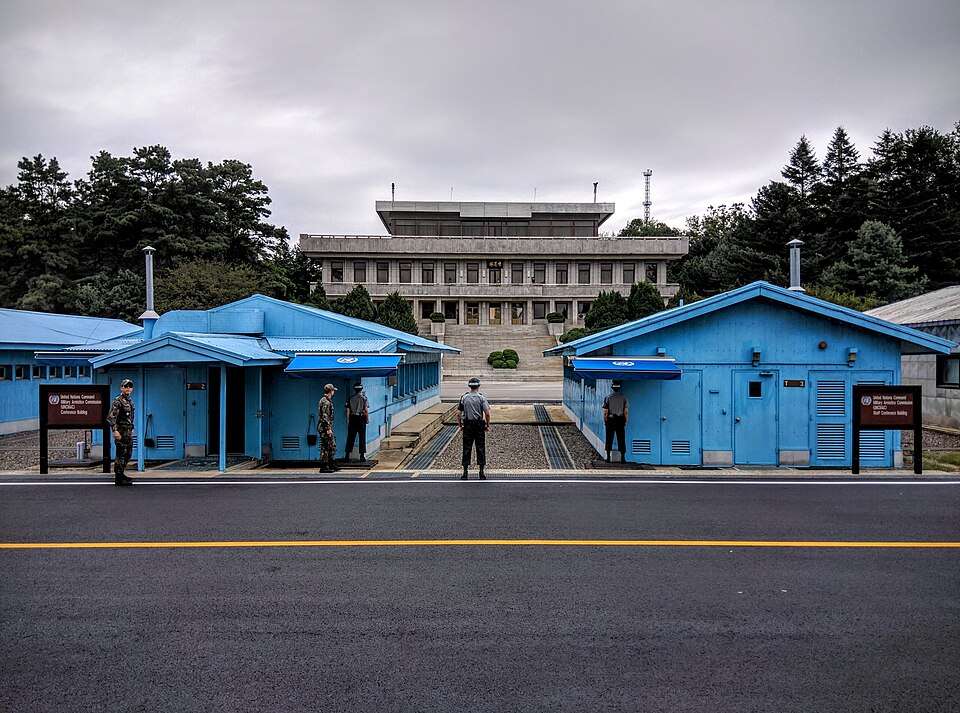
One correction to older expectations: the JSA — Panmunjom’s blue huts, where visitors once stood technically inside North Korea — has been closed to civilian tours since mid-2023, and access has not resumed on any reliable schedule. Treat any listing that promises the blue huts with suspicion. What the standard tour reliably delivers is still substantial: the Third Infiltration Tunnel, dug by the North and walked by helmet (the stoop is real, and the walk back up is steep), the Dora Observatory’s telescope view across the border to the propaganda village and its flagpole, Imjingak’s memorials and the Bridge of Freedom, and Dorasan Station — the ghost terminal built for a reunification that hasn’t come, which lands as the day’s quietest moment.
This is living division, not war tourism. Guides who fled the North or grew up under the sirens tell it with a weight worth seeking out.
Read the full The DMZ day-trip page.
Suwon — The Fortress Walk
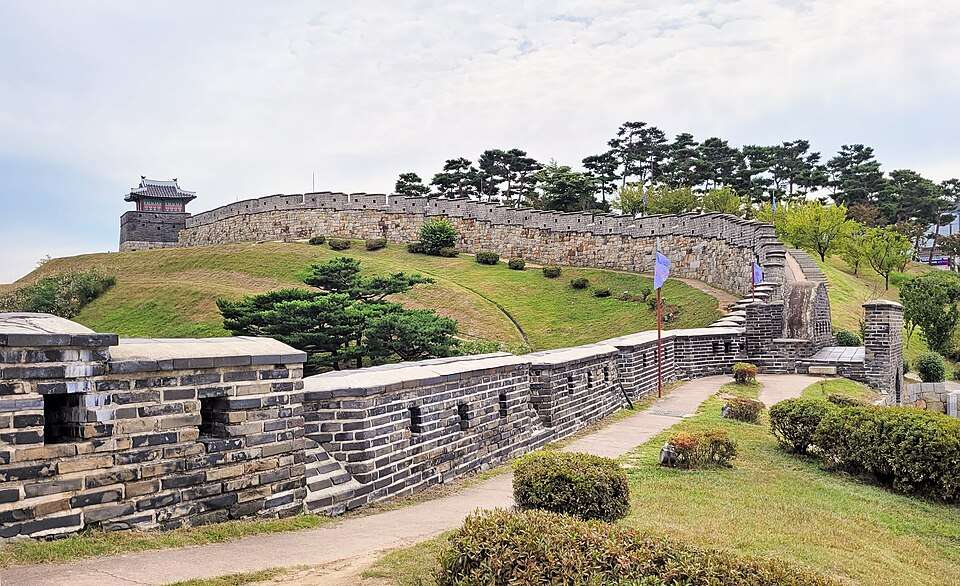
Suwon is an hour south on metro line 1 — this is subway-accessible UNESCO. Hwaseong Fortress rings the old city with 5.7 kilometers of 1790s walls, built by King Jeongjo with a construction manual so complete that UNESCO listed the documentation alongside the stones.
The circuit takes two to three hours on the wall-top path, over gates, bastions, and pavilions. The Hwahong watergate, seven arches over the stream, is the photograph. A dragon-headed tourist trolley covers the route for anyone saving their legs.
The add-ons make the day. The archery experience at Yeonmudae lets you loose arrows from a fortress platform — book on arrival, it’s cheap, and it’s what people remember. Hwaseong Haenggung palace below runs changing-of-the-guard and martial-arts demonstrations on seasonal schedules. And Suwon’s civic dish is galbi, the marinated short ribs the city is famous for; the fried-chicken alley covers the budget end. It’s the best city-wall walk within subway range of any capital in Asia.
Read the full Suwon Hwaseong day-trip page.
Nami Island & Gapyeong — The K-Drama Belt
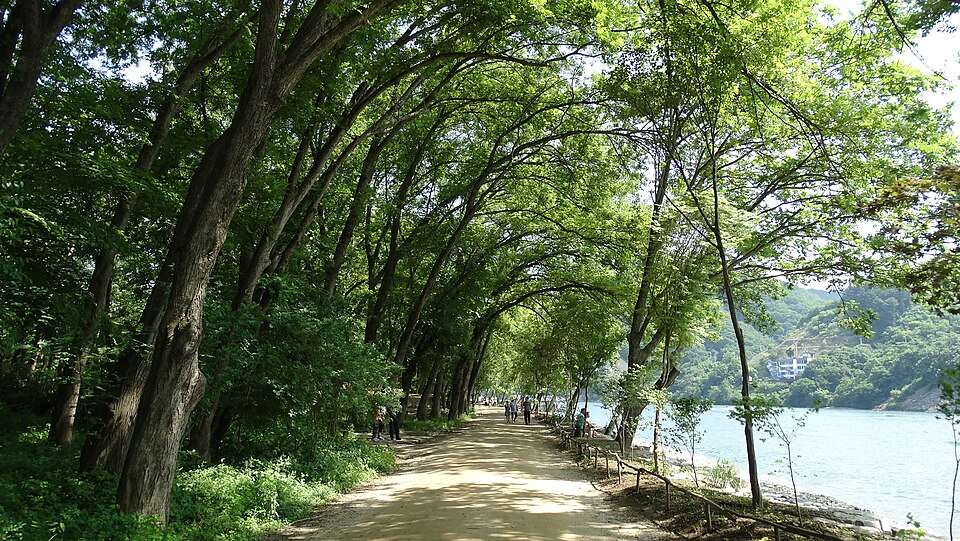
Ninety minutes northeast, with the honesty upfront: Nami Island is a river islet whose metasequoia lanes became a pilgrimage after Winter Sonata in 2002 and stayed one through the Hallyu decades. It is genuinely pretty and deliberately whimsical — it styles itself the “Naminara Republic” and stamps its own visa at the ferry, and it means all of it as theater. It is also thoroughly engineered for visitors. Embrace that or route around it by temperament.
The tree-lined lanes deliver in every season; autumn’s ginkgo gold is the peak, and weekday mornings thin the crowds. The zip-wire entry across the river beats the ferry as an opener.
Around it, the Gapyeong belt: the rail-bike line pedals disused track along the river (book ahead on weekends), the Garden of Morning Calm runs themed plantings with a winter light festival as its best act, and Petite France is a drama-location photo stop, skippable without loss. Tours bundle three or four stops; the better edit is Nami plus the rail bikes, done unhurried.
Read the full Nami Island day-trip page.
Bukhansan — The National Park Inside the City
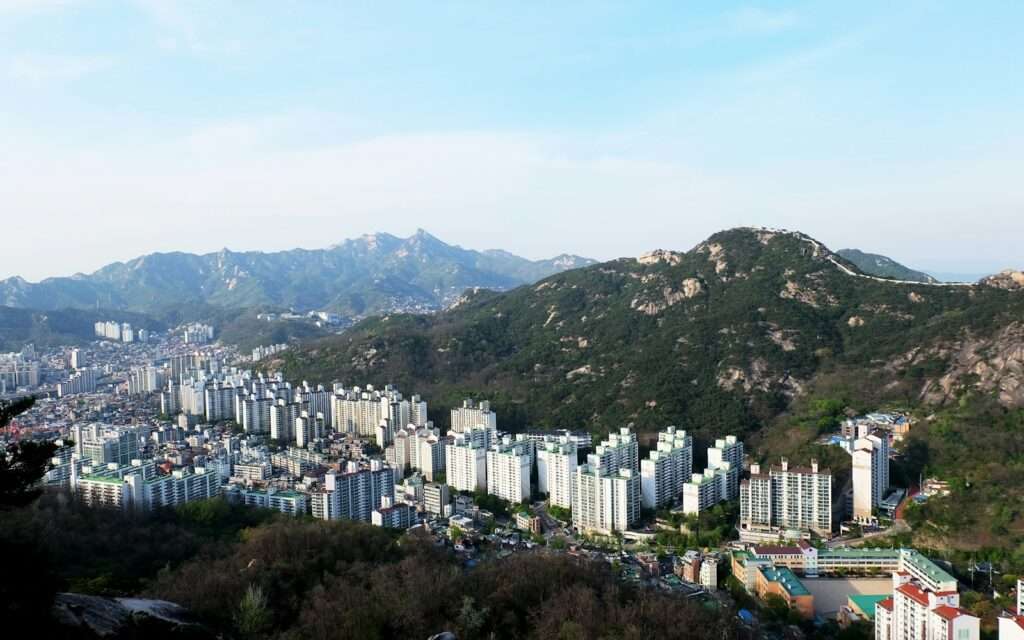
No other capital matches this: Bukhansan National Park‘s granite peaks rise within Seoul’s own boundary, reachable by subway and bus, no tour required. The hiking culture is half the attraction — Koreans summit in full technical kit with picnics of kimbap and makgeolli, and joining the ritual is the point.
The routes: Baegundae, the 836-meter summit, is the classic — three to four hours round trip from the Bukhansanseong entrance, with cables and steps managing the final granite scramble, and a summit view over the entire metropolis. The Bibong or Sapaesan alternatives trade altitude for quiet.
The mountain’s rules: wear real shoes, because the granite polishes slick. Carry more water than seems reasonable in summer. Go on a weekday morning, because weekend hiking is a national pastime. And the makgeolli at the bottom afterward is traditional, earned, and mildly carbonated. Half a day here beats most cities’ full-day nature excursions.
The Korean Folk Village — Living History
The Korean Folk Village, forty-five minutes south near Yongin, holds its place despite the theme-park adjacency: more than 260 relocated and reconstructed buildings from across the peninsula, from thatched farmhouses to tile-roofed yangban estates, staffed by working blacksmiths, potters, and papermakers.
Time the visit around the daily performances: the farmers’ pungmul drum dance, the horseback martial archery, and the tightrope walker, whose banter needs no translation. Historical-drama fans will recognize sets from a dozen productions, and the village leans into it. Eat on site — the jeon pancakes and makgeolli beat anything you’d pack.
It’s a largely outdoor day: spring and autumn are its months, summer swelters, and winter adds atmosphere while subtracting comfort. Families should know Everland, Korea’s largest theme park, sits nearby — a full separate day, flagged for what it is. The performance schedule sets your timing.
The Palaces, the Hanbok Trick & Seoul Itself
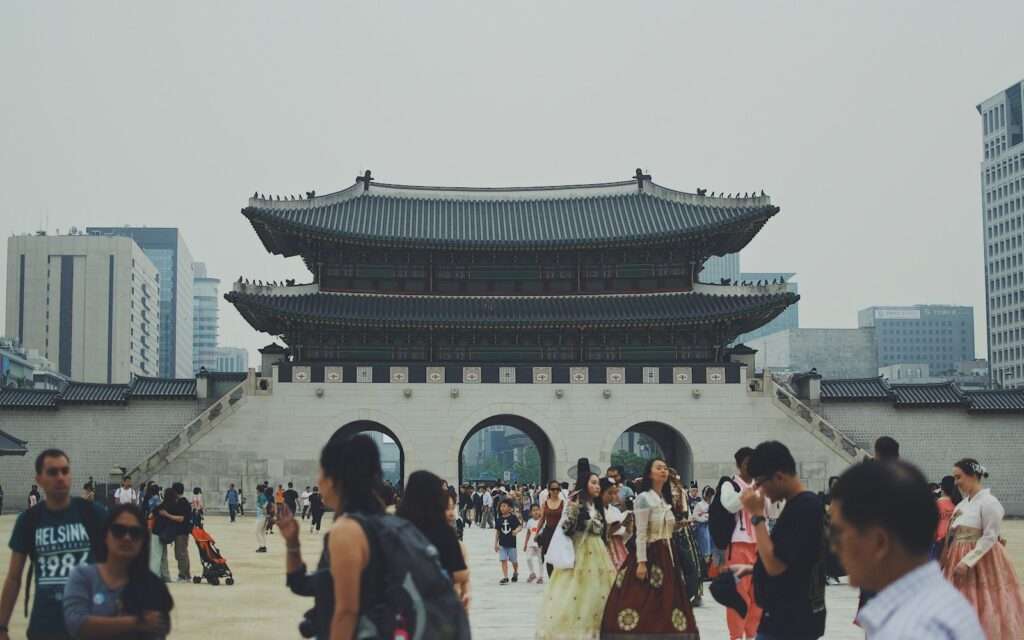
Start with the trick. Seoul’s Joseon palaces charge modest entry — except for visitors wearing hanbok, who enter free. The rental shops ringing Gyeongbokgung offer hourly rates with hair styling included, and the arrangement benefits everyone: you get the photos and free entry, and the palace gets courtyards full of period dress.
Gyeongbokgung is the grand palace, with changing-of-the-guard ceremonies at set hours and the National Folk Museum inside. Changdeokgung is the refined one, and its Secret Garden is the connoisseur’s ticket: entry is by guided tour only, capped at 100 per session, with half the tickets released online at 10 a.m. Korea time six days ahead and the other half sold on site each morning. Book the online half the moment it opens, or arrive early for the day-of allotment. Both palaces close Mondays.
One etiquette note: Bukchon Hanok Village, the traditional-house quarter between the palaces, is residential. The signage, patrol volunteers, and posted quiet hours exist because people live behind the photogenic gates. Visit quietly.
The rest: Gwangjang Market for the eating — bindaetteok mung-bean pancakes at the original stalls, mayak gimbap, and the raw-beef yukhoe alley for the committed. A jjimjilbang, the Korean bathhouse-sauna complex, for the cultural immersion; the sheep-towel head fold is mandatory and everyone will help you. The Han River parks at dusk, where you rent a mat and order fried chicken delivered to a GPS pin on the riverbank. N Seoul Tower for the panorama, by cable car or the Namsan stairs. Spring blossoms and autumn foliage are the postcard windows; summer monsoon weeks and early spring’s yellow-dust days are the honest caveats; winter is cold, clear, and underrated.
Frequently Asked Questions
How do you visit the DMZ from Seoul?
Licensed tour only — physical passport mandatory, dress and photo rules at military points, and morning slots that book out weeks ahead. The JSA blue huts have been closed to civilian tours since 2023; be suspicious of any listing that promises them.
Is Nami Island worth it?
If you take it as intended — a deliberately whimsical, thoroughly engineered river islet with genuinely beautiful tree lanes. Autumn weekday mornings are the best version; pair it with the Gapyeong rail bikes.
Can you hike a real mountain in Seoul?
Yes — Bukhansan National Park rises inside the city limits, and Baegundae’s summit is a three-to-four-hour round trip by subway and trail, with the full metropolis below. Wear real shoes; the granite runs slick.
What is the hanbok free-entry rule?
Visitors in hanbok enter Seoul’s palaces free — rental shops around Gyeongbokgung offer hourly rates with styling. It’s the city’s best bargain, and the courtyards are better for it.
How do you get Secret Garden tickets at Changdeokgung?
By guided tour only, 100 people per session — half the tickets go online at 10 a.m. Korea time six days ahead, and half are sold on site each morning. Book the moment the window opens, or arrive early for the day-of allotment. Closed Mondays.